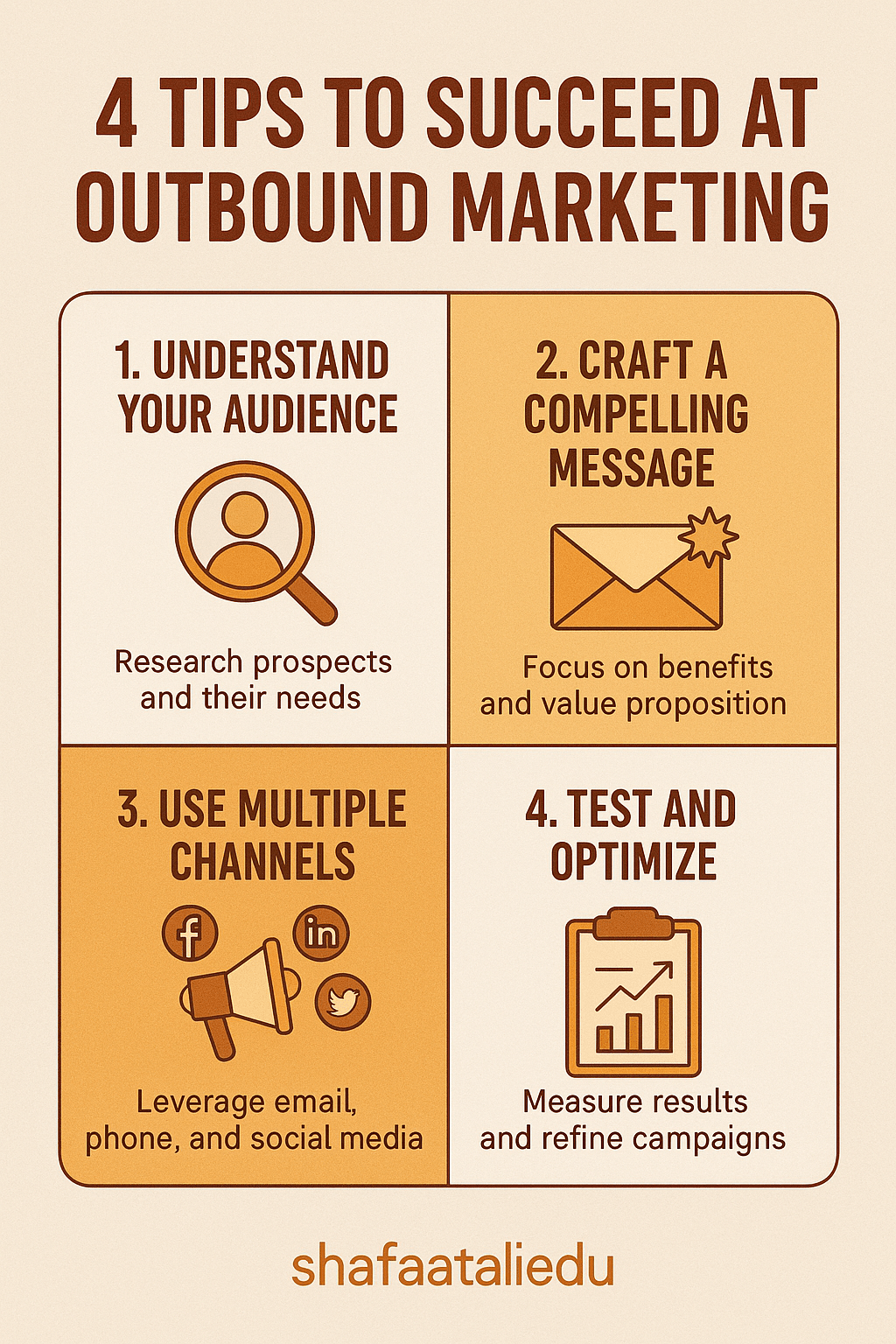
Outbound marketing is a traditional way of promoting a product or service by actively reaching out to potential customers. Think of it like knocking on someone’s door to tell them about what you’re offering, instead of waiting for them to find you.
Common examples of outbound marketing include TV and radio ads, cold calls, direct mail, billboards, and even those promotional emails you didn’t ask for. The key idea is that the business is initiating the conversation, not the customer.
Let’s say you open your mailbox and find a flyer for a local gym. You didn’t ask for it, but the gym hopes you’ll read it and sign up. That’s outbound marketing in action. It pushes the message out to a wide audience, hoping that some of them will respond.
Unlike inbound marketing—where customers come to you through blogs, search engines, or social media—outbound marketing doesn’t wait. It aims to grab attention fast, often in a short burst.
Why do companies still use outbound marketing? Because it works in certain cases. For example, if you’re launching a new product or targeting a broad audience, a radio ad or billboard can spread your message quickly.
However, outbound marketing has its challenges. People are getting better at ignoring ads or blocking them altogether. Think of how many cold calls go unanswered or how quickly TV viewers skip commercials.
Still, when done well, outbound marketing can create strong brand awareness and generate leads—especially when combined with inbound strategies.
As technology evolves, outbound marketing is also changing. Personalized emails, targeted social ads, and smart data tools are helping businesses reach just the right people more effectively.
In the future, expect outbound marketing to become more targeted and less intrusive—combining the best of old-school promotion with today’s digital precision.

Leave a comment