Ever bought something just because it had tons of positive reviews? That’s social proof in action. It’s the idea that we often look to others to decide how to act—especially when we’re unsure. Whether it’s choosing a restaurant, a product, or even a career move, seeing what others do or think can guide our own decisions.
Social proof is all around us. Imagine you’re walking down a street with two coffee shops. One is empty, and the other has a long line. Most people will choose the busy one, assuming it must be better. That’s social proof working subconsciously.
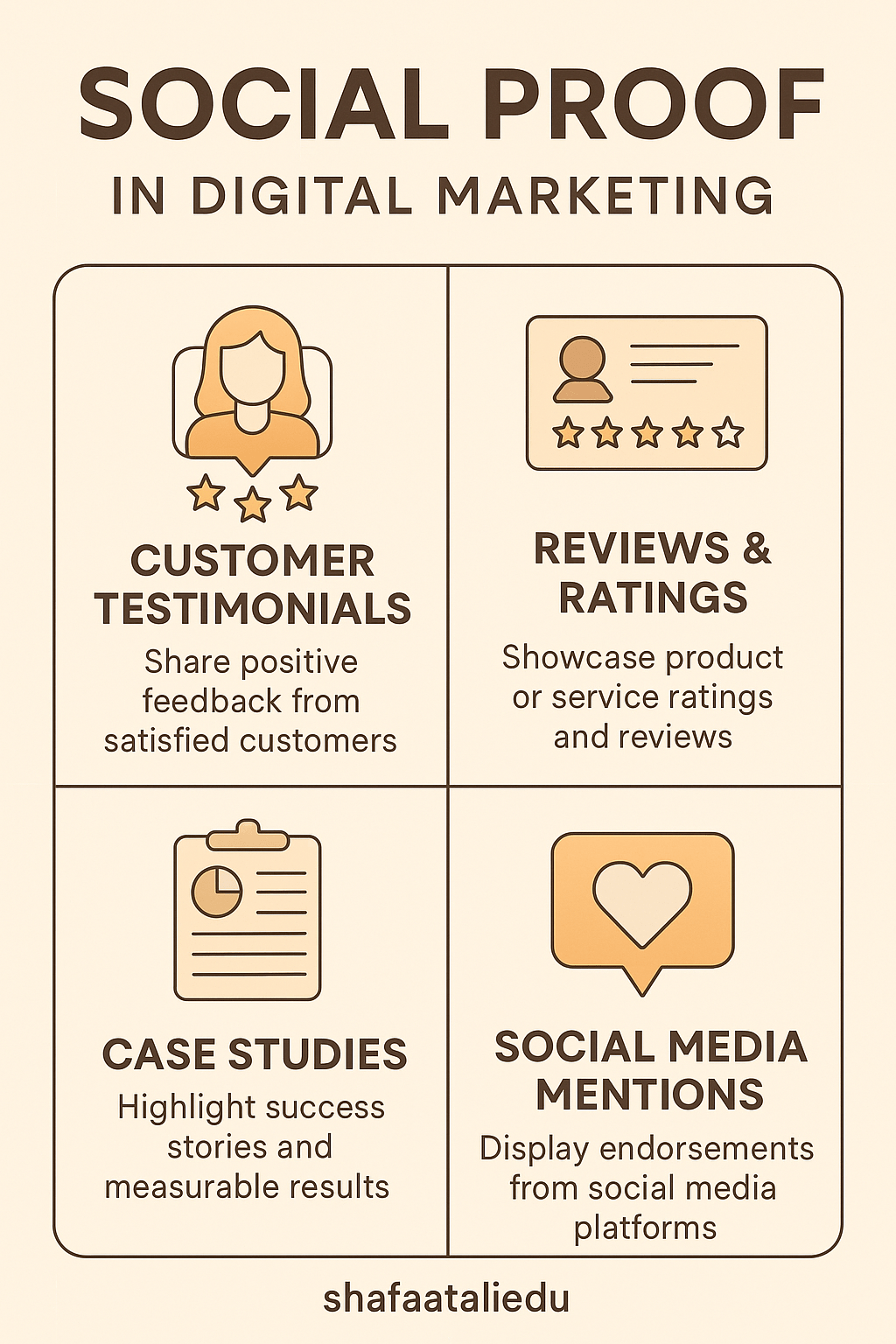
Here are some common types of social proof:
- Customer Reviews – Star ratings and written feedback show real people’s experiences.
- Testimonials – Personal stories from satisfied customers build trust.
- Expert Approval – Endorsements from industry leaders signal credibility.
- Social Media Shares – A high number of likes or shares suggests popularity.
- FOMO (Fear of Missing Out) – “Only 2 left in stock!” can push people to act fast.
Marketers love social proof because it builds trust quickly. Think of it as digital word-of-mouth. If enough people say something is good, it must be, right?
But social proof isn’t just for selling products. It influences everyday decisions—like joining a gym your friends go to or watching a trending show because “everyone’s talking about it.”
So next time you follow the crowd, pause and ask: “Is this my choice—or social proof at work?”
As we spend more time online, social proof will only grow in importance. Learning to recognize it can help you make smarter, more confident decisions—both as a consumer and a creator.

Leave a comment