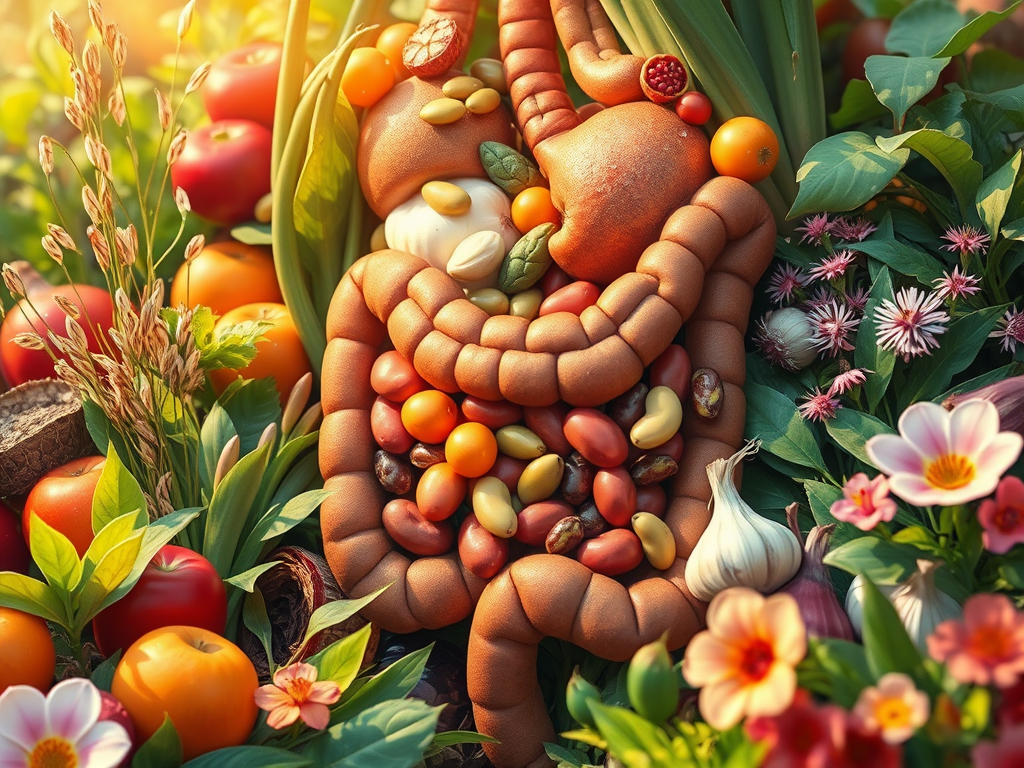
Your gut—which includes your stomach and intestines—is more than just a place to process food. It’s a complex inner world, home to trillions of tiny microorganisms known as the gut microbiome. Think of your gut as a garden: if you nourish it with the right things, it thrives, leading to better digestion, stronger immunity, and even improved mood. If you neglect it, you might face problems like bloating, indigestion, and low energy.
Here are 10 straightforward tips to help you cultivate a healthier, happier gut.
1. Load Up on Fiber (Prebiotics)
Fiber is the primary food source for your good gut bacteria. These helpful bacteria eat the fiber (which your body can’t digest) and produce beneficial compounds. Think of fiber as a fertilizer for your gut garden. Aim for a mix of fiber from different plant foods like oats, apples, beans, lentils, and vegetables such as onions and garlic. Increase your intake slowly to avoid gas and bloating.
2. Eat Probiotic-Rich Foods
Probiotics are live, beneficial bacteria that you introduce into your gut. They help crowd out the “bad” bacteria and restore balance. Common sources include fermented foods like yogurt with “live and active cultures,” kefir (a fermented milk drink), sauerkraut, kimchi, and kombucha. Including a small amount of these regularly is like constantly reseeding your garden with beneficial plants.
3. Hydrate, Hydrate, Hydrate
Water is essential for digestion. It helps dissolve food, allows nutrients to be absorbed, and keeps your intestinal walls flexible. Most importantly, it helps keep your stools soft, preventing constipation. When you don’t drink enough water, your body takes water from your colon, leaving waste dry and difficult to pass. Aim to drink plain water throughout the day.
4. Chew Your Food Thoroughly
Digestion starts in your mouth. Chewing breaks down food into smaller pieces, making it easier for your stomach and intestines to process. When you rush and swallow large chunks of food, you force your digestive system to work harder, which can lead to gas and indigestion. Slow down and chew each bite until it’s almost liquid—it’s a simple, free digestive aid.
5. Manage Your Stress Levels
Your brain and gut are directly connected through a pathway called the “gut-brain axis.” High stress levels can cause digestive symptoms like pain, diarrhea, or constipation. When you’re stressed, your body diverts resources away from digestion. Simple stress management techniques like deep breathing, a short walk, or meditation can calm your nervous system and signal your gut that it’s safe to digest.
6. Limit Processed Foods and Added Sugar
Processed foods are often low in fiber and packed with added sugars, artificial sweeteners, and unhealthy fats. These ingredients can encourage the growth of unhelpful bacteria and cause inflammation in your gut. Think of these foods as the “weeds” in your gut garden that choke out the healthy plants. Choose whole, single-ingredient foods as often as possible.
7. Exercise Regularly
Physical activity doesn’t just benefit your muscles and heart; it’s also a great way to improve digestion. Exercise increases blood flow to your digestive system and causes muscles in your intestines to contract, which helps move food through your body more efficiently. Even a brisk 30-minute walk each day can help reduce bloating and constipation.
8. Prioritize Quality Sleep
A lack of sleep can negatively impact the balance of bacteria in your gut. Your body uses sleep time to repair and restore itself, and your gut needs this downtime too. Aim for 7 to 9 hours of quality sleep per night. When you’re consistently well-rested, both your brain and your gut function better.
9. Eat on a Consistent Schedule
Your digestive system loves routine. Trying to eat your main meals—breakfast, lunch, and dinner—around the same time each day helps your body predict when it needs to be ready to digest. This regularity helps ensure smooth and timely release of digestive enzymes and acids. Irregular eating can confuse your system and lead to indigestion.
10. Use Antibiotics Only When Necessary
Antibiotics are powerful medications that kill harmful bacteria, but they also wipe out a lot of the good bacteria in your gut. Only take antibiotics when prescribed and absolutely needed. If you do take a course of antibiotics, be sure to actively rebuild your gut bacteria afterward with fermented foods and high-fiber plant foods.

Leave a comment