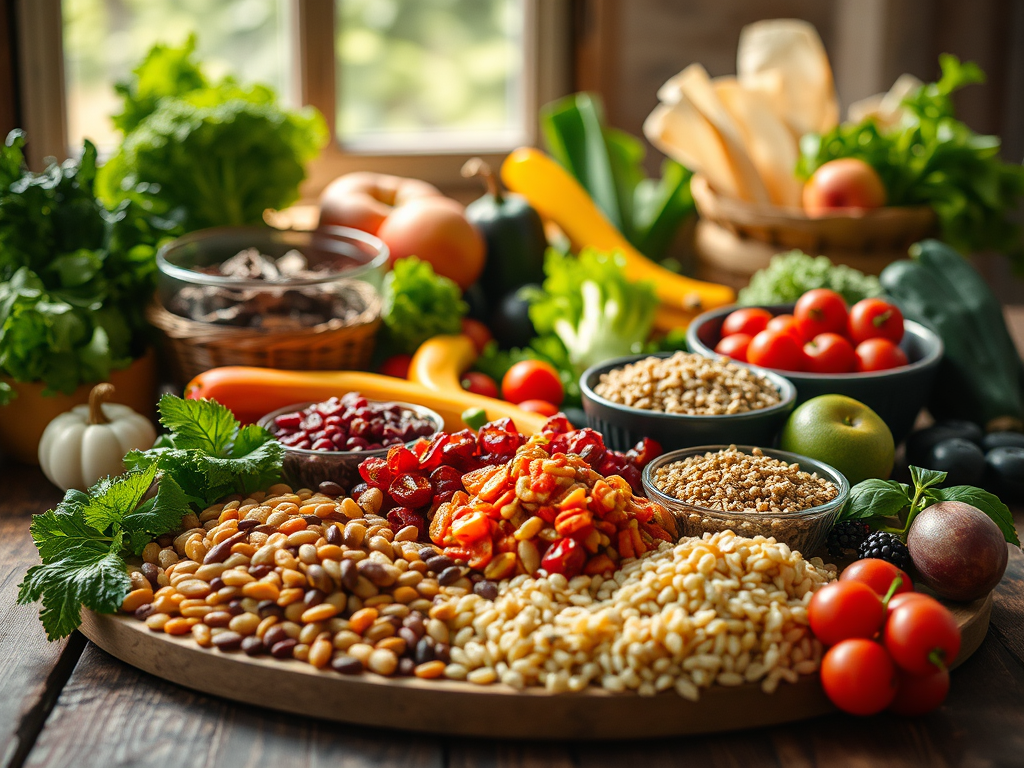
Eating healthy and saving money do not have to be mutually exclusive. The perception that nutritious food is inherently expensive often leads people toward cheaper, highly processed options. In reality, a well-planned diet built on whole foods can be much more affordable than relying on takeout or pre-packaged meals. The secret lies in treating your kitchen like a smart business—planning, minimizing waste, and buying strategically.
Here are 10 practical tips to keep your plate full of nutrients without emptying your wallet:
1. Plan Your Meals and Write a List
This is the single most powerful step. Before you shop, check your pantry, fridge, and freezer to see what you already have. Then, plan your meals for the week around those items and anything that is on sale. Finally, write a specific list and stick to it. An unplanned purchase is often an unnecessary, budget-breaking purchase.
2. Embrace Inexpensive Plant Proteins
Meat and fish are typically the most expensive items on your grocery bill. Incorporate affordable, nutrient-dense plant proteins like dried or canned beans, lentils, and chickpeas several times a week. For example, swap half the ground beef in your chili for lentils—you’ll save money, boost fiber, and barely notice the difference.
3. Buy Frozen and Canned Produce
Don’t fear the freezer aisle! Fruits and vegetables are flash-frozen at their peak ripeness, locking in nutrients that might be lost in “fresh” produce that has traveled long distances. Frozen berries for smoothies and frozen broccoli or peas for stir-fries are often cheaper than their fresh counterparts and won’t spoil before you use them.
4. Shop Seasonal and Local
Produce is always cheapest, freshest, and tastiest when it’s in season. Check your local farmer’s market or weekly grocery store flyers to see what is currently in abundance. For example, buying summer berries in July will be far cheaper than buying them in December.
5. Buy Staple Foods in Bulk
For non-perishable staples you use often, like dried whole grains (oats, brown rice, quinoa), dried beans, or whole wheat pasta, buy the largest size available. The larger the package, the lower the price per unit usually is. Store these items in airtight containers to keep them fresh.
6. Cook Once, Eat Twice (or Thrice)
Batch cooking and using leftovers is a huge money-saver and prevents you from ordering expensive takeout on a busy night. When you cook dinner, make an extra portion or two. Leftover roast chicken can become tacos, and extra rice can be the base of a quick stir-fry or salad the next day.
7. Choose Simple, Whole Foods Over Processed Items
Highly processed foods—like boxed dinners, sugary cereals, and pre-cut vegetables—have a high mark-up for the convenience and fancy packaging. Simple, whole foods like potatoes, carrots, cabbage, and eggs are incredibly cheap and nutritious. Do the chopping yourself to save money.
8. Opt for Store Brands
Most grocery stores offer their own “generic” or “store brand” versions of pantry staples like spices, oats, canned goods, and whole wheat bread. These items often have the exact same quality and ingredients as name brands but are sold at a fraction of the cost because they don’t spend money on advertising.
9. Never Shop When Hungry
Shopping while hungry is a direct path to impulse buying, especially for high-cost, low-nutrition junk food. Eat a snack or a small meal before you head out the door. A full stomach is your best defense against unplanned purchases.
10. Learn to Use Inexpensive Proteins Creatively
Eggs, tuna, and chicken thighs are generally the cheapest animal proteins. Eggs are the ultimate budget food—versatile, fast, and nutritious. Chicken thighs are cheaper and more flavorful than breasts. Canned tuna or salmon is great for quick, omega-3-rich meals, just be sure to choose options packed in water or olive oil.

Leave a comment