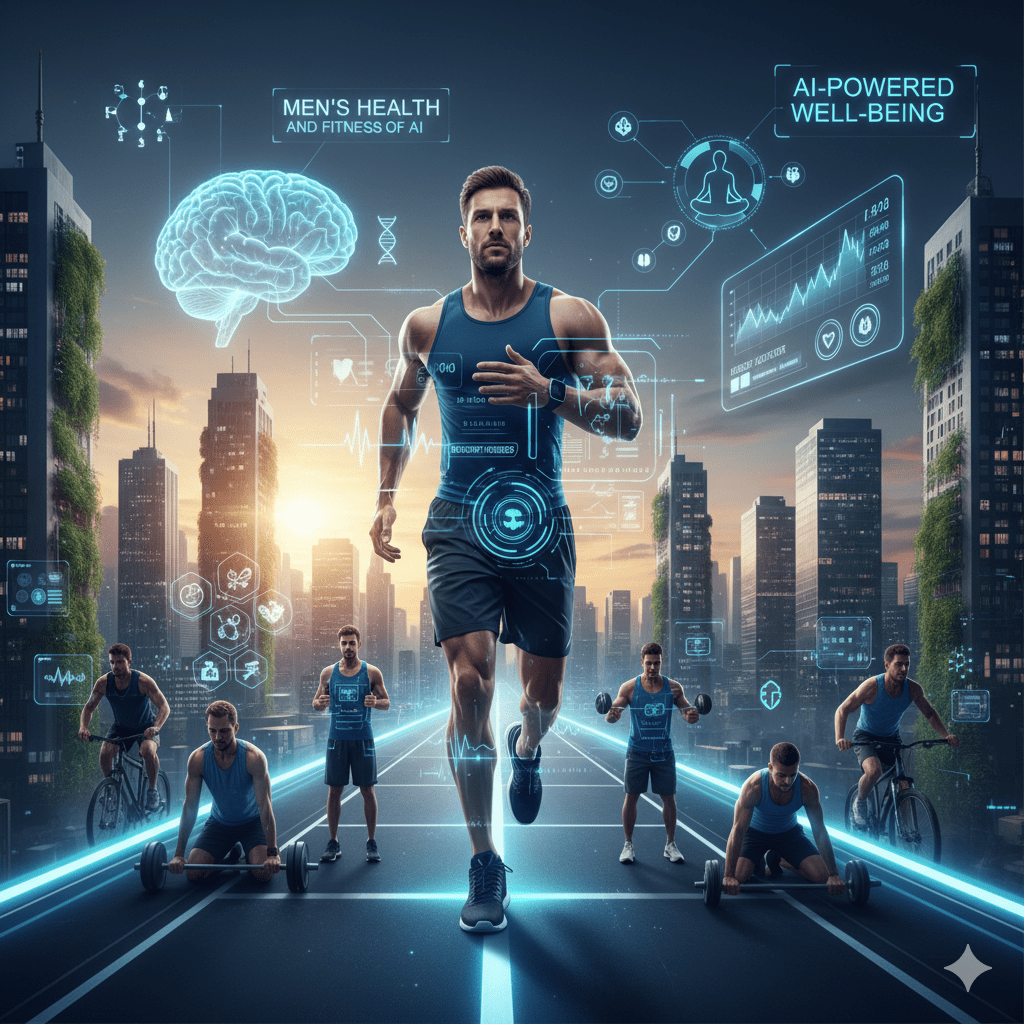
Introduction: The Dawn of a New Era in Well-being
The landscape of health and fitness is continually evolving, driven by scientific advancements, cultural shifts, and technological innovations. In recent years, the integration of Artificial Intelligence (AI) has emerged as a transformative force, revolutionizing how men approach their physical and mental well-being. This article delves into the profound impact of AI on men’s health and fitness, exploring the myriad ways in which this technology is personalizing, optimizing, and making well-being more accessible than ever before. From personalized workout routines and nutrition plans to early disease detection and mental health support, AI is not just a tool; it’s a partner in the pursuit of a healthier, more fulfilling life.
The AI Revolution in Personalized Fitness
Gone are the days of one-size-fits-all workout plans. AI’s ability to process vast amounts of data has ushered in an era of hyper-personalized fitness. This section explores how AI-powered platforms and devices are tailoring exercise regimens to individual needs, goals, and even genetic predispositions.
Smart Wearables and Data Collection
The foundation of personalized fitness lies in data. Smartwatches, fitness trackers, and other wearable devices are at the forefront of this data collection, continuously monitoring vital signs, activity levels, sleep patterns, and more. AI algorithms then analyze this data to provide actionable insights.
- Real-time Performance Tracking: AI helps track metrics like heart rate variability, calorie expenditure, and recovery times, offering immediate feedback during workouts.
- Predictive Analytics: By identifying trends and patterns, AI can predict potential health issues or plateaus, allowing for proactive adjustments to training.
- Personalized Recommendations: Based on individual data, AI suggests optimal workout intensities, durations, and exercise types for maximum effectiveness and injury prevention.
AI-Powered Training Apps and Platforms
The market is flooded with AI-driven fitness applications that offer dynamic and adaptive training experiences. These platforms leverage machine learning to evolve with the user’s progress.
- Adaptive Workout Programs: As users get stronger or achieve certain milestones, AI automatically adjusts the difficulty, volume, and type of exercises.
- Virtual Coaching: AI coaches provide real-time form correction, motivation, and guidance, mimicking the experience of a personal trainer at a fraction of the cost.
- Goal-Oriented Pathways: Whether the goal is muscle gain, weight loss, or endurance improvement, AI creates tailored pathways to help men achieve their specific objectives efficiently.
Nutrition Optimized by AI
Beyond exercise, nutrition plays a pivotal role in men’s health. AI is transforming how men approach their dietary habits, making healthy eating more intuitive and effective.
Personalized Meal Planning and Dietary Recommendations
AI algorithms consider various factors to craft highly personalized nutrition plans.
- Dietary Preferences and Restrictions: AI accounts for allergies, intolerances, and ethical dietary choices (e.g., vegetarian, vegan).
- Metabolic and Genetic Factors: Advanced AI systems can integrate data from genetic tests and metabolic profiles to recommend foods that optimize individual biochemical processes.
- Calorie and Macronutrient Tracking: AI-powered apps simplify the complex task of tracking calories, protein, carbohydrates, and fats, ensuring men meet their nutritional goals without excessive manual effort.
Smart Kitchen Devices and Food Recognition
The integration of AI extends to the kitchen, making healthy food preparation more accessible.
- Recipe Generation: AI can generate recipes based on available ingredients, dietary goals, and culinary preferences.
- Food Recognition and Logging: Using computer vision, AI apps can identify food items from photos, automatically logging them into dietary trackers and providing nutritional information.
- Automated Grocery Lists: Based on meal plans and pantry inventory, AI can create smart grocery lists, reducing food waste and streamlining shopping.
AI for Injury Prevention and Rehabilitation
One of the most significant advantages of AI in men’s fitness is its potential to prevent injuries and optimize recovery, ensuring a sustained and safe fitness journey.
Predictive Analytics for Injury Risk
AI can analyze movement patterns and biomechanical data to identify potential injury risks before they manifest.
- Form Analysis: Using sensors and video analysis, AI can detect subtle flaws in exercise form that could lead to injury over time.
- Fatigue Monitoring: By tracking performance degradation and physiological markers, AI can alert users to overtraining and recommend rest periods.
- Personalized Warm-ups and Cool-downs: AI can suggest specific stretches and mobility exercises tailored to individual weaknesses or areas of tightness.
AI-Assisted Rehabilitation
For men recovering from injuries, AI offers personalized and adaptive rehabilitation programs.
- Tailored Exercise Progression: AI adjusts rehabilitation exercises based on the recovery progress, ensuring optimal challenge without exacerbating the injury.
- Remote Monitoring: AI-powered platforms allow healthcare providers to remotely monitor a patient’s adherence to exercises and track their progress, providing timely interventions.
- Feedback and Guidance: AI can offer real-time feedback on exercise execution, ensuring proper technique during the rehabilitation process.
Mental Health and Well-being with AI
Physical fitness is inextricably linked to mental well-being. AI is increasingly playing a crucial role in supporting men’s mental health, a traditionally underserved area.
AI-Powered Mental Health Apps
A new generation of apps leverages AI to provide accessible and personalized mental health support.
- Mood Tracking and Analysis: AI can track mood patterns, identify triggers, and provide insights into emotional fluctuations.
- Cognitive Behavioral Therapy (CBT) Tools: AI-driven chatbots and modules can deliver scaled versions of CBT, helping men develop coping mechanisms and challenge negative thought patterns.
- Mindfulness and Meditation Guides: AI can personalize meditation practices, offering guided sessions tailored to individual needs and stress levels.
Early Detection of Mental Health Conditions
AI’s ability to analyze large datasets, including language patterns and social media activity (with consent), holds promise for early detection of mental health issues.
- Sentiment Analysis: AI can analyze communication patterns to detect signs of depression, anxiety, or other mental health challenges.
- Behavioral Pattern Recognition: By observing changes in digital behavior, AI could potentially flag early warning signs, prompting users to seek professional help.
- Resource Connection: Upon detecting potential issues, AI can connect users with appropriate mental health resources and professionals.
AI in Preventative Health and Disease Management
The proactive approach to health is gaining traction, and AI is a powerful ally in preventing diseases and managing existing conditions.
Predictive Health Analytics
AI can analyze a multitude of health data points to predict the likelihood of developing certain conditions.
- Risk Factor Identification: By correlating genetic information, lifestyle choices, and environmental factors, AI can identify men at higher risk for conditions like heart disease, diabetes, or certain cancers.
- Personalized Prevention Strategies: Based on risk assessments, AI can recommend specific lifestyle changes, screenings, or interventions to mitigate risks.
- Early Symptom Detection: AI-powered diagnostic tools can analyze medical images, symptoms, and patient history to assist in the early detection of diseases, often before they become severe.
Chronic Disease Management
For men living with chronic conditions, AI offers tools for better management and improved quality of life.
- Medication Adherence Reminders: AI apps can provide timely reminders for medication, improving adherence and treatment outcomes.
- Symptom Tracking and Reporting: Users can track symptoms and share data with their healthcare providers, allowing for more informed treatment adjustments.
- Lifestyle Recommendations for Disease Management: AI can suggest specific dietary and exercise modifications that are beneficial for managing conditions like diabetes or hypertension.
Ethical Considerations and Challenges
While the potential of AI in men’s health and fitness is immense, it’s crucial to address the ethical implications and practical challenges that come with its widespread adoption.
Data Privacy and Security
The collection and analysis of sensitive health data raise significant concerns about privacy and security.
- Robust Encryption: Ensuring that personal health data is encrypted and protected from breaches is paramount.
- Informed Consent: Users must have a clear understanding of what data is being collected, how it’s being used, and have the option to consent or decline.
- Data Anonymization: Where possible, anonymizing data helps protect individual identities while still allowing for valuable research and development.
Algorithmic Bias
AI algorithms are only as unbiased as the data they are trained on. Bias in training data can lead to unfair or inaccurate recommendations for certain populations.
- Diverse Training Data: Efforts must be made to ensure AI models are trained on diverse datasets that accurately represent the male population.
- Regular Auditing: Algorithms should be regularly audited for bias and adjusted as needed to ensure equitable outcomes.
Accessibility and Digital Divide
The benefits of AI in health and fitness may not be equally accessible to all men, creating a potential digital divide.
- Cost of Technology: High-end smart wearables and subscriptions to premium AI platforms can be financially prohibitive for some.
- Digital Literacy: Not all individuals possess the digital literacy required to effectively utilize AI-powered tools.
- Infrastructure: Access to reliable internet and smartphones is a prerequisite for many AI health applications.
Over-reliance on Technology
While AI is a powerful tool, it should augment human decision-making, not replace it entirely.
- Professional Consultation: AI recommendations should complement, not substitute, the advice of qualified healthcare professionals.
- Critical Thinking: Users should be encouraged to critically evaluate AI suggestions and understand their own bodies and needs.
The Future of Men’s Health and Fitness with AI
The trajectory of AI integration into men’s health and fitness is steep and promising. Looking ahead, we can anticipate even more sophisticated and integrated solutions.
Hyper-Personalized Digital Twins
Imagine a “digital twin” of yourself, an AI model that continuously learns from your biological data, lifestyle, and environment. This digital twin could simulate the effects of different diets, exercise regimens, or even medications, offering highly precise health guidance.
Advanced Predictive Diagnostics
AI’s ability to process complex medical data will lead to even more accurate and earlier disease detection, potentially revolutionizing preventative medicine. This could include real-time monitoring for biomarkers that indicate the onset of disease.
Seamless Integration into Daily Life
Future AI will likely be seamlessly integrated into our daily environments, from smart homes that optimize sleep and exercise conditions to smart cities that encourage physical activity and access to healthy food options.
AI for Health Education and Empowerment
AI can become a powerful tool for health education, providing personalized information and empowering men to take a more active role in managing their own well-being. This could include interactive educational modules and personalized health reports.
Ethical AI Development
As AI becomes more ubiquitous, there will be an increasing emphasis on developing ethical AI, prioritizing privacy, fairness, and transparency in all health applications. Regulatory frameworks will likely evolve to keep pace with technological advancements.
Conclusion: A Healthier Tomorrow, Powered by AI
The age of AI presents an unprecedented opportunity for men to optimize their health and fitness journeys. From personalized workouts and nutrition to injury prevention, mental health support, and proactive disease management, AI is transforming every facet of well-being. While challenges related to data privacy, bias, and accessibility must be diligently addressed, the overarching narrative is one of immense potential. By embracing AI responsibly and ethically, men can unlock a new level of control over their health, leading to more informed decisions, sustained progress, and ultimately, a healthier and more vibrant future. The synergy between human aspiration and artificial intelligence is paving the way for a revolutionary era in men’s health and fitness, where well-being is not just a goal, but a continuously optimized and achievable reality.

Leave a comment