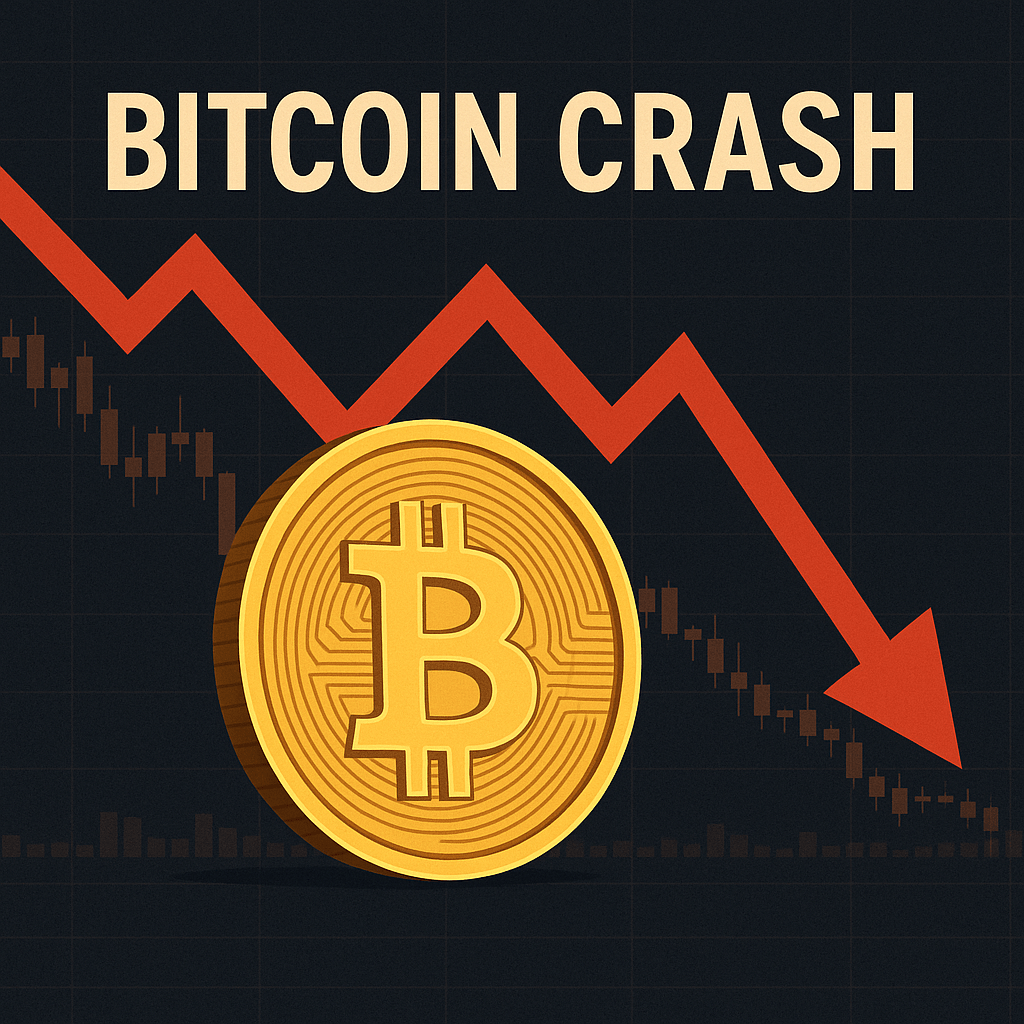
The crypto world has been shaken once again as Bitcoin experienced a sharp and unexpected crash. After reaching highs above $120,000 earlier in the year, the price suddenly slipped into the $80,000–$90,000 range, wiping out billions from the market. For many investors, this sudden plunge raised big questions: Why did this happen? and What does it mean going forward?
This article breaks down the causes behind the latest Bitcoin crash in simple, beginner-friendly language — and explains exactly what investors should understand about this moment.
1. What Caused the Crash?
The recent crash wasn’t due to a single event. Instead, it was the result of several factors happening at the same time. Think of it like a domino effect — one thing pushes the next until the market feels the impact.
a. Economic Pressure and Global Market Fear
When global markets get shaky, investors often move their money away from riskier assets like Bitcoin. Recently:
- Interest rates increased in major economies.
- Investors became more cautious and started shifting to safer options like bonds.
- The tech and AI sector also started cooling down, which affected crypto sentiment since many investors overlap across these markets.
In simple terms: when the global economy looks uncertain, Bitcoin usually falls first.
b. Large Liquidations in the Crypto Market
Crypto markets work differently from traditional markets. Many traders use leverage, meaning they borrow money to make bigger bets. This works well when prices rise — but it’s dangerous when prices fall.
During this crash:
- Thousands of leveraged long positions were automatically closed (liquidated).
- When these positions close, they force more Bitcoin to be sold.
- This creates a downward spiral, pushing prices even lower.
It’s similar to a snowball rolling downhill — once it starts, it grows fast.
c. Weak Liquidity and “Whale” Activity
Liquidity refers to how easily an asset can be bought or sold without affecting the price. When liquidity is weak:
- Even small sell-orders can trigger big price drops.
- A few large holders (known as “whales”) selling can cause massive waves of panic.
During this crash, liquidity was lower than usual, making every movement in the market bigger and more dramatic.
d. Negative Market Sentiment
Once prices begin falling, fear spreads quickly. Many investors panic and sell because they think others will do the same. This creates a chain reaction.
The shift in sentiment — from optimism to fear — played a big role in deepening the crash.
2. What This Crash Means for Investors
Crashes can feel scary, but understanding them helps investors stay calm and make better decisions.
Opportunities for Investors
- Lower prices can be a good entry point if you believe in Bitcoin long-term.
- Institutional adoption is still growing, meaning major companies and funds continue to see Bitcoin as part of the future.
- Market corrections often happen before the next big upward movement.
Risks to Consider
- Bitcoin is behaving more like a traditional risk asset now, meaning it reacts strongly to global news and economic trends.
- If economic conditions worsen, Bitcoin could fall even more.
- Timing the market is extremely difficult — attempting to “buy the bottom” or “sell the top” usually leads to mistakes.
Practical Tips for Investors
Here are some simple steps investors can take:
- Diversify your investments. Don’t put everything into Bitcoin.
- Set a budget and stick to it. Decide ahead of time how much you’re willing to risk.
- Pay attention to global economic news. Bitcoin reacts quickly to interest rate changes, inflation reports, and market trends.
- Avoid emotional trading. Panic-selling or buying out of FOMO usually leads to regret.
- Have a long-term plan. The market can move wildly in the short term, but long-term strategies often perform best.
3. What Investors Should Remember
The latest Bitcoin crash highlights something important: crypto is no longer an isolated world. It moves together with global markets, investor sentiment, and economic conditions. The crash was driven by a combination of interest rate pressures, leveraged liquidations, whale activity, and shifting investor psychology.
For long-term believers, this may simply be another chapter in Bitcoin’s highly volatile journey. For cautious investors, it serves as a reminder to manage risk carefully.
Either way, understanding why the crash happened helps investors make smarter decisions moving forward.

Leave a comment